



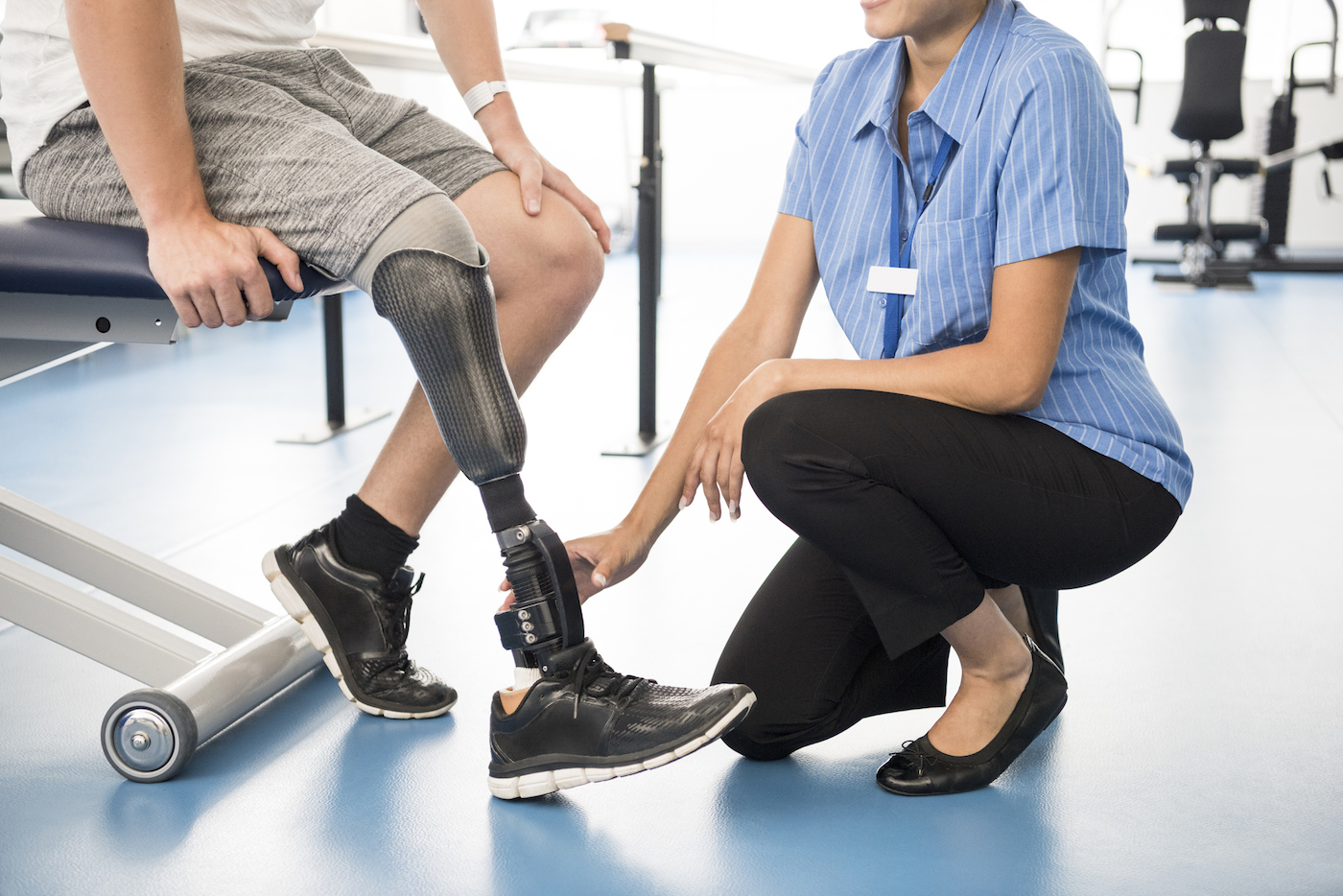
Losing a limb or facing mobility challenges can be life-changing. Everyday activities such as walking, running, or even standing may become difficult. This can also affect your confidence and independence. Fortunately, advances in medical technology have made prosthetics more effective and accessible. Prosthetics are artificial devices that replace a missing body part, helping individuals regain their mobility and confidence. This article will explore how prosthetics improve life, restore independence, and support emotional well-being.
Understanding Prosthetics and Their Role
Prosthetics are specially designed devices that replace missing limbs, such as arms, hands, legs, or feet. They are made from lightweight and durable materials to ensure comfort and strength. Modern prosthetics are not just about appearance—they are functional and often customized to the individual’s needs. A prosthetic limb allows a person to perform daily activities more easily and safely. It acts as an extension of the body, restoring some of the natural movement and balance lost due to amputation or injury.
Prosthetics can be either basic or advanced. Basic prosthetics focus mainly on appearance and simple movement, while advanced prosthetics incorporate technology like sensors and motors to mimic natural movements more closely. These advanced devices can even respond to muscle signals, allowing smoother and more natural control of the limb. This level of functionality plays a crucial role in helping people regain independence and confidence in their daily lives.
Regaining Mobility with Prosthetics
One of the most important benefits of prosthetics is mobility. Losing a limb can make it difficult to move around or perform tasks that were once simple. Prosthetics are designed to restore movement and stability, enabling individuals to walk, run, climb stairs, and even participate in sports. Physical therapy is often combined with prosthetic use to ensure the person learns to walk or move comfortably and safely.
Mobility gained through prosthetics is not limited to walking. It also improves posture and reduces the risk of falls. Advanced prosthetic legs, for example, are designed to absorb impact and provide support during walking or running. This allows individuals to maintain an active lifestyle, which is essential for both physical and mental health.
Boosting Confidence and Emotional Well-being
Prosthetics do more than improve physical movement—they also enhance confidence and self-esteem. Losing a limb can affect a person’s body image and social interactions. Using a prosthetic can help restore a sense of normalcy and independence, which positively impacts emotional health. People often feel more confident going out in public, engaging in work, or participating in social activities when they have the support of a prosthetic limb.
The emotional benefits of prosthetics are equally important. They help reduce feelings of dependency and encourage individuals to set and achieve personal goals. By regaining control over their daily life and activities, many people find a renewed sense of purpose and optimism. This combination of physical support and emotional reinforcement can significantly improve overall quality of life.
Choosing the Right Prosthetic
Selecting the right prosthetic is essential for maximum benefit. Healthcare professionals, including prosthetists and therapists, assess a person’s lifestyle, physical condition, and personal preferences to recommend the most suitable device. Comfort, durability, and functionality are important factors to consider. Some individuals may prefer a lightweight and simple prosthetic for everyday use, while others may need advanced options with sensors for specific activities like sports or work.
Proper training and adjustment are also vital. Once a prosthetic is fitted, users may need guidance to adapt to it fully. Regular check-ups ensure the device continues to meet the individual’s needs and can be adjusted as necessary. Choosing the right prosthetic and learning how to use it effectively is the key to achieving both mobility and confidence.
Conclusion
Prosthetics play a significant role in helping individuals regain mobility, independence, and confidence after limb loss or injury. They provide the physical support needed to perform everyday activities and improve posture, balance, and movement. Beyond physical benefits, prosthetics contribute to emotional well-being by restoring confidence and encouraging social participation. With modern technology, prosthetics are more functional and adaptable than ever, allowing individuals to lead active, fulfilling lives. By choosing the right prosthetic and committing to proper training, anyone can regain control over their mobility and enjoy a renewed sense of independence.